

Rebellion Marketing
22 min read
11th Jun 2024
Looking to boost attendance at your school’s open day? Let’s cut to the chase and dive into 10 proven methods that will get more visitors through your doors.

We’ve worked with Independent Schools, private schools, Academy Trusts and state schools across the UK. So, from secondary schools to pre-prep, we know a thing or two about crafting campaigns that do the job and get enquiries coming in consistently.
A successful open day hinges on how well you promote it—it’s not just about what happens on the day itself, but how you build anticipation and excitement from your target audience leading up to it, and you can’t do that in a few days, your strategy needs to think well ahead of time to have the most impact.
You’ll need to start by optimising your open day landing page on your website, and if you don’t have one, get one designed pronto! This page should be clear, compelling, and easy to navigate. Use eye-catching visuals and concise messaging to hook prospective students and parents.
Social media is another powerful tool you should be looking to include in your strategy. Create engaging content, like teaser videos, to showcase what makes your school unique. Consider investing in paid social and search ads to reach a wider audience. Your efforts here can make a massive difference in getting families excited about attending your open day.
But, how do these tactics all tie in together, and what’s the best approach for marketing your open days to get the best results and encourage the most enquiries from prospective parents?
Before we dive in to exactly what tactics work together, make sure that before you start this, that your admissions process is working as it should be and you’re not losing any parents through a messy user journey.
Let’s dive in an discover how your can create perfect school open day campaigns that you can use again and again:
1. Understanding Your Audience
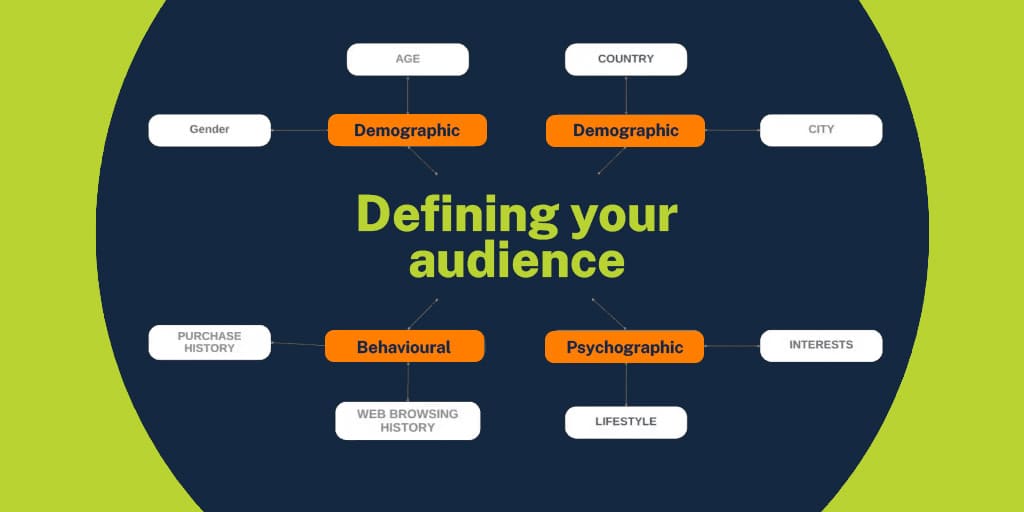
Knowing your target audience will significantly enhance the effectiveness of your school open day marketing efforts, there’s little point in creating blanket campaigns that target too wide a range of people. Focus on identifying and segmenting the parents of prospective students into groups that have similar demographics, challenges and potential objections. Your campaigns should be looking at engaging both current parents and parents of potential students, but they need to be approached differently.
Identifying Parents of Prospective Students
To identify prospective students, start by analysing your current student demographic. Look at their age, location, interests, and why they chose your school. This information will help you pinpoint similar individuals who might be interested in attending your school.
Utilising social media and online forums can be really effective if you don’t have comprehensive internal data. Platforms like Facebook and Instagram allow you to target advertisements based on specific criteria and so can give you a bigger picture of your current audience demographics. Paid ads aren’t always about conversions, they’re often used as a data gathering exercise too! You can also implement a questionnaire or feedback form during school visits and virtual tours to gather data directly from visitors.
Partnering with local community centres and educational consultants can also attract prospective students. Host workshops, webinars, or informational sessions to engage with families who are actively searching for educational options.
Engaging Current Parents and Potential Students’ Parents
Engage current students to act as ambassadors for your school. Encourage them to share their experiences on social media (if suitable) and participate in open day events. This provides a genuine insight into the school environment, which can be appealing for potential students and help with the admission process too.
You could also create a dedicated online space such as a forum or a social media group where current and potential students can interact. This helps build a community and allows potential students to ask questions and get first-hand feedback from current students.
Organise fun and interactive activities during the open days that appeal to both current and potential students. Workshops, games, and Q&A sessions can make the experience more engaging, helping to create a lasting impression.
Using email newsletters and SMS updates to keep both groups informed about upcoming events and school news can also maintain sustained engagement and interest.
2. Digital Marketing Strategy

A strong digital marketing strategy can be a game-changer for promoting your school’s open day, and this is where you can really shine and stay ahead of your competitors. The right combination of SEO, Google Ads, and email marketing will help you reach your audience in a consistent and unified way that actually delivers results.
Utilising SEO for Visibility
Search Engine Optimisation (SEO) is really important to ensure your school appears at the top of search engine results. By using the right keywords and phrases, you can attract prospective students and parents who are actively searching for school open days local to them. Want to appear as an alternative option to one of your competitor schools? This is one great way of doing just that and improving your search engine rankings overall.
Start by researching keywords related to school open days. Tools like Google Analytics can help you understand which terms are most popular. Add these keywords naturally throughout your website, particularly on your open day landing page and blog posts.
Ensure your site is mobile-friendly and quick to load. Use Google’s Mobile-Friendly Test to check this. High-quality, relevant content, good use of metadata, and regular updates will improve your site’s ranking.
And remember, SEO doesn’t work over night, so if you want something to rank and deliver relevant traffic before your open day, you need to get it live at least 12 weeks before and make sure it doesn’t clash with your other SEO efforts.
Leveraging Google Ads
Google Ads allows you to target specific audiences, ensuring that your school’s open day ads reach the right people at the right time. By creating compelling and clickable ads, you can drive traffic to your open day registration page exactly at the time they are searching for schools for their child.
Select keywords that are not only relevant but also have a high search volume and low competition. This helps you get the best value from your budget. Google Ads enables you to set a daily budget, making sure you don’t overspend and you actually see a return on investment.
Make use of ad extensions to add extra information, such as your school’s address, phone number, or links to specific web pages. Track the performance of your ads using Google Analytics to see which ads are performing best and adjust your strategy accordingly.
Search ads should be “always on” ads that are then boosted by more display-style campaigns in the run-up to your open day event. Google is an AI tool after all, so the longer you have them running and being optimised, the better they will get at delivering a result, which means your cost per click will come down over time.
Leveraging Paid Social Media Advertising

Paid social media advertising is a powerful complement to always-on PPC search campaigns, providing an additional avenue to reach and engage prospective parents for your school’s open day. Here’s how you can harness paid social media advertising to deliver more prospective parents to your event:
Choosing the Right Platforms
To maximise the effectiveness of your paid social media advertising, you need to think carefully and choose platforms that your target audience are actually using. Facebook and Instagram are particularly effective for school marketing due to their large user bases and robust targeting capabilities. Plus, they allow you to target both younger and older parents and grandparents, giving you a wider reach.
- Facebook: With detailed demographic targeting options, you can reach parents based on their location, age, interests, and behaviours. Facebook’s event features also allow you to create event pages where users can RSVP, ask questions, and receive updates. Facebook advertising campaigns are one of the cheapest and most effective options for marketing open days and showcasing your school during a real school day too.
- Instagram: This platform is perfect for sharing visually compelling content. Use Instagram Stories, Reels, and Ads to showcase your school’s unique attributes through short videos and vibrant images.
- LinkedIn: For targeting professionals and business-oriented families, LinkedIn can be an effective platform. Sponsored posts and InMail can reach parents in higher socio-economic brackets who may be considering private or independent schools.
Creating Engaging Advertisements
The success of your paid social media campaigns really hangs on the creativity and relevance of your ads. Here are some tips for creating engaging content:
- Teaser Videos: Create short, engaging videos that highlight key features of your school, such as campus facilities, extracurricular activities, and student/parent testimonials. These videos should aim to generate excitement and curiosity about the open day.
- Carousel Ads: Use carousel ads to showcase multiple aspects of your school, such as different departments, student achievements, and upcoming open day events. Each slide can include a call-to-action (CTA) directing viewers to your registration page.
- Interactive Content: Polls, quizzes, and Q&A sessions can increase engagement. For instance, you can run a poll about what prospective parents are most interested in learning during the open day.
Targeting and Retargeting Strategies
Effective targeting ensures your ads reach the most relevant audience. Here’s how to do it:
- Custom Audiences: Create custom audiences based on data from your website, such as visitors to your open day landing page or parents who have filled out interest forms. This allows you to target ads to those who have already shown interest in your school.
- Lookalike Audiences: Use lookalike audiences to find new potential parents who share characteristics with your existing audience. This can help you reach a broader yet relevant audience.
- Retargeting Campaigns: These are the MOST powerful campaigns to include in your open day marketing. They allow you to retarget parents who have previously interacted with your ads or visited your website but didn’t register for the open day. Use reminders and incentives, such as a private school tour or a special activity for their child, to encourage them to sign up.
Measuring and Optimising Campaign Performance
To ensure your paid social media campaigns are delivering results, continuous measurement and optimisation are key:
- Analytics and Insights: Use the analytics tools provided by each platform to monitor the performance of your ads. Track metrics such as click-through rates (CTR), conversion rates, and cost per conversion.
- A/B Testing: Test different versions of your ads to see which ones perform better. This can include variations in ad copy, images, videos, and CTAs. Use the insights gained to optimise your campaigns.
- Budget Allocation: Adjust your budget based on the performance of your ads. Allocate more budget to high-performing ads and consider pausing or tweaking those that aren’t delivering desired results.
As a school marketer, incorporating paid social media advertising into your marketing strategy for school open days will significantly increase your reach and engagement, which is what we’re all after! By choosing the right platforms, creating engaging content, employing effective targeting and retargeting strategies, and continuously measuring and optimising performance, you can drive more prospective parents to attend your open day and ultimately boost enrolment.
Maximising Email Marketing
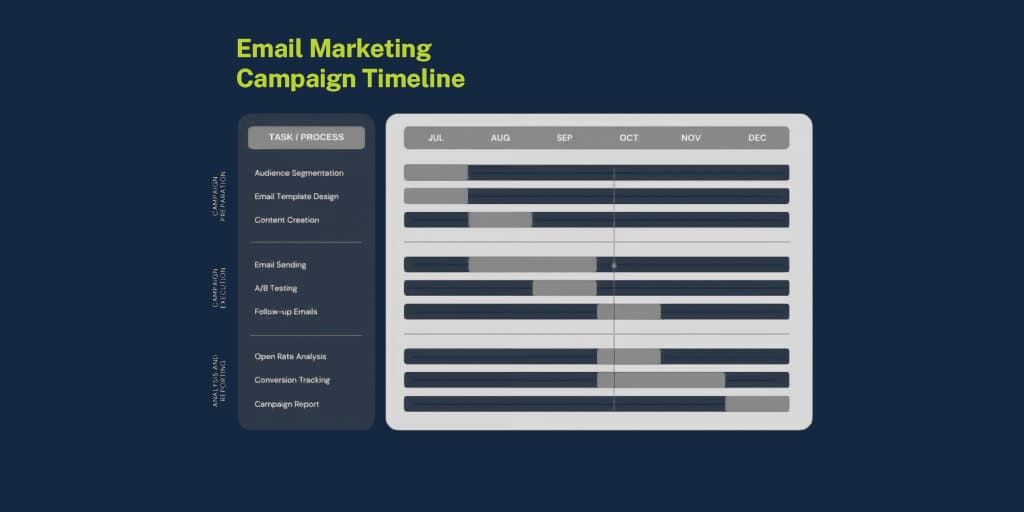
Email marketing remains one of the most effective ways to promote your school’s open day. Build a targeted email list that includes not only current parents with children moving up to a new year group but also prospective parents who are new to the school admission process. Make sure your emails are engaging and provide clear calls to action.
Segment your email list to send personalised messages. For example, first-time parents might appreciate a tour of the facilities, while parents of older children may look for strong academic results or particular programmes. Again, you can utilise paid ads to collect emails from prospective parents for remarking purposes
In your emails, use compelling subject lines to encourage opening. Include details about the event and benefits of attending, like meeting teachers, touring the campus, or seeing students’ work. Incorporate clear, clickable links to your open day registration page and monitor the campaign’s success using marketing tools to improve future email marketing efforts.
3. Social Media Engagement
To boost your School’s Open Day attendance have some specifically curated posts around your open day to enhance your sign ups and help build trust from prospective parents. This involves selecting the right platforms and creating engaging content that resonates with your audience.
Choosing the Right Platforms
Selecting the right social media platforms can make or break your event’s success. Facebook, Instagram, and Twitter are commonly used for school marketing due to their large user bases and diverse features. As an agency who work with hundreds of schools across the UK, we actively discourage using Twitter, for a number of reasons, however, if you feel the channel works for your school, then of course add it into the mix!
Facebook allows for detailed event pages where you can list important information and engage with interested attendees through comments and updates. Instagram is perfect for sharing visually appealing content, such as photos and videos of your facilities and grounds. Instagram Stories and Reels enable real-time interaction, driving excitement for the event. Twitter is good for quick updates and creating buzz. Tweet interesting facts, retweet user-generated posts, and use hashtags related to your Open Day.
Polls and Q&A sessions boost engagement and allow potential visitors to ask questions and receive immediate responses. Selecting multiple platforms helps target different demographics, ensuring a wider reach.
Creating Engaging Content
Content creation is the backbone of social media marketing. Your goal is to produce posts that inform, excite, and engage your audience. Start by showcasing your school’s achievements and unique features. Highlight student success stories, academic achievements, and extracurricular activities.
Use user-generated content to create authenticity. Encourage current students and parents to share their experiences and tag your school. Featuring these posts on your official accounts builds trust and community. Interactive posts like quizzes, polls, and live Q&A sessions engage users and provide value.
Behind-the-scenes videos give a real feel of the school environment. Create short clips showcasing daily life, facilities, and teacher interactions. Infographics with key statistics about the school can also be very engaging. Always use relevant hashtags to increase your post’s visibility and drive more traffic to your event page.
4. Promotional Materials
Effective promotional materials and video marketing can significantly increase your school’s visibility and appeal. Ensuring that your materials are well-designed and that you leverage video content can make a lasting impression on prospective parents and students.
Designing Compelling Marketing Materials
Creating attractive marketing materials is key. High-quality brochures and leaflets can showcase your school’s strengths, but don’t over-do it as physical marketing materials are more costly and difficult to track in terms of ROI. If you do chose to have printed materials, use engaging visuals and well-organised content. Highlight your school’s achievements, facilities, and unique programmes succinctly.
Hire a professional designer if possible and make sure your messaging is clear in your brief. Printing can be cost-effective, with 250 leaflets produced for under £300, but once they’re gone, they’re gone and tracking the engagement on printed material can be tricky.
Digital content is equally important. Ensure your website is visually appealing and easy to navigate. Include downloadable versions of your brochures and other marketing materials. Utilise social media platforms to share snippets and highlights, driving traffic to your main website.
Using Video Marketing to Your Advantage
Video marketing is a powerful tool that can bring your school to life for prospective families. Showcase everyday school activities, student testimonials, and special events. Keep videos short, engaging, and informative.
Invest in good quality video equipment or hire a professional videographer. Even smartphone cameras can work if used creatively. Post your videos on platforms like YouTube and embed them in your school’s website.
Create a piece of content for each major aspect of your school, such as academic programmes, extracurricular activities, and campus tours. This targeted approach can address specific interests of prospective students and parents. Regularly update your video content to keep your marketing materials fresh and relevant.
5. Event Planning
To make your School Open Day a success, planning is a must. This includes creating an engaging itinerary and coordinating key events to keep attendees interested and informed.
Crafting an Alluring Open Day Itinerary
Your open day itinerary needs to be detailed, yet flexible enough to handle unexpected changes. Start with a warm welcome from the headteacher to set a positive tone.
Follow this with guided tours. Ensure these tours cover all essential facilities like classrooms, labs, and sports areas. You can divide attendees into smaller groups to make the tours more personalised.
Consider adding interactive sessions where prospective students can engage in activities. This could be anything from science experiments to art projects. It’s also important to schedule Q&A sessions with current students and parents to provide real testimonials.
Interactive stations showcasing student projects can also keep the day lively. This not only highlights the school’s achievements but also allows visitors to ask questions directly to the students involved.
Coordinating Key Events
Key events are the backbone of your open day. Begin with a clear timeline for the day’s events. Make sure your staff is well-informed and assigned specific roles to ensure smooth transitions between activities.
Organise house events showcasing student talents and school spirit. Competitions or exhibitions can bring a lively and engaging atmosphere.
If possible, include virtual events for those who can’t attend physically. Live-streaming the event or hosting online question sessions can expand your reach.
Don’t forget about the admission events. Have a dedicated team to answer admission-related questions and guide parents through the application process. You can set up booths or have printed materials available for easy reference.
Ensure all landing information is readily accessible, both online and on-site, to help visitors navigate effortlessly. This meticulous planning and coordination will make your open day not just an event, but an experience.
6. Effective Communication
Effective communication can make or break your school’s open day marketing. Here, we focus on using email campaigns and ensuring follow-up to keep prospective families engaged and informed.
Building a Strong Email Campaign
Creating a robust email campaign is essential. Start with a captivating email subject to grab attention. A good yet simple email subject can create curiosity and increase your open rates. Segment your audience and send personalised email campaigns tailored to different groups for the best results.
Ensure your emails are authentic and showcase the unique aspects of your school. Include contact details prominently, so recipients can easily reach out with queries. Use compelling visuals and clear calls to action to encourage registration for the open day. Remember, an email focusing solely on your open day without other distractions can be particularly effective, so don’t muddy the message with multiple bits of information in one email.
Ensuring Follow-Up and Engagement
After your initial email blast, follow-up emails are key. Send timely reminders as the open day approaches. Make these reminders engaging by sharing teasers of what attendees can expect, such as guest speakers or special activities.
Encourage interaction by inviting recipients to ask questions or share what they hope to learn during the event. Highlight stories or testimonials from past open day attendees to build excitement and credibility. After the event, send a thank-you email with a survey link to gather feedback.
By maintaining regular engagement, you make sure that your prospective families feel valued and informed every step of the way.
7. Leveraging School Assets
Using your school’s assets effectively can greatly enhance your Open Day and make a lasting impression on prospective students and their parents. This includes showcasing your school’s facilities and highlighting the achievements in extracurricular activities.
Hosting Tours and Showcasing Facilities
Organising guided school tours is an excellent way to leverage your assets. As visitors walk through your school campus, make sure the school administration has planned specific spots to highlight. For instance, the science labs, art studios, and the library can each have a brief presentation by a department head.
It’s also crucial to schedule these tours at different times during the school day. This allows parents to see the school in action. They can observe students in class, using the facilities, and get a better feel for the school’s environment.
Consider creating a route that showcases both the academic and recreational facilities, such as sports fields and performance spaces. Being transparent and confident about what your school has to offer can create trust and a positive impression.
Highlighting Extra-curricular Success
Don’t forget to highlight the success in extra-curricular activities. Display trophies, banners, and posters of your students’ achievements. Arrange for current students involved in clubs or sports teams to demonstrate or talk about their experiences.
These extra-curricular activities show how your school encourages well-rounded development. Photos and stories of alumni success stories can also be displayed to inspire current and future students.
You might also want to include short performances or demonstrations from clubs, such as the drama club putting on a short play, or the chess club hosting a lightning round. This kind of engagement draws in visitors and showcases your school’s vibrant community.
8. Outreach and Advertising
To make your School Open Day a success, you need to maximise your outreach and tap into various forms of advertising, both online and offline. Combining traditional and digital methods will amplify your message and attract more visitors.
Exploring Outdoor and Newspaper Ads
Outdoor advertising is a powerful way to grab attention quickly. Think about placing banners, posters, or billboards in high-traffic areas near your school. Highlight the date, time, and unique features of the open day event.
Local newspapers are also effective, especially for independent and private schools. Newspaper advertising can help you reach parents and guardians who may not be active online, and as an added bonus, you can get a Digital PR piece from the same publication placed online, giving you even more benefit. Check if your local newspaper offers bundled deals for print and online ad placements. Include a call-to-action, such as visiting your website or registering for the event.
These traditional methods are straightforward and can target a broad audience within your community, boosting attendance and growing interest.
9. Community and Partnerships
Engaging with your local community and leveraging partnerships can greatly enhance your school’s open day marketing efforts. This can involve working with local organisations and creating strong alumni networks.
Collaborating with Local Community
Partner with local businesses and community centres to promote your school’s open day. You can display materials on community boards, and local libraries. Contact local newspapers and radio stations for event coverage. This not only boosts visibility but also fosters a sense of community.
Establishing Alumni Networks
Leverage your alumni network by inviting former students to speak at your open day. Their stories and achievements can inspire prospective students and parents. Create an online group or platform where alumni can share their experiences and stay connected.
Encourage active alumni to participate in school events and mentorship programmes. They can provide valuable insights and support to current students. Establish regular communications, such as newsletters or special events, to keep alumni engaged and involved in your school community. This strengthens ties and showcases a strong, supportive network.
10. Conversion Analytics and Improvement
Understanding how your marketing efforts perform shouldn’t be a nice-to-have, it’s fundamental to your future campaigns. Using conversion analytics will help you track what’s working and where improvements can be made for better results at your next open day events.
Tracking Performance Metrics
Use analytics tools to monitor different aspects of your marketing campaigns. Tools like Google Analytics or dedicated platforms can show how users interact with your landing pages. Track conversion rates to see how many visitors take the desired actions, such as signing up for newsletters or registering for open days.
Set up Conversion Rate Optimisation (CRO) to identify the small changes that can lead to big improvements. Regularly review campaign performance metrics to understand what’s driving success or where things might be falling short. Break down data to see which channels bring in most conversions.
Create a dashboard to keep an eye on key performance indicators (KPIs), like visitor numbers, engagement rates, and conversion rates. Adjust your strategy based on these insights to achieve better outcomes.
Optimising for Higher Conversion Rates
Focus on dedicated landing pages tailored specifically for your campaigns. These pages should be clear, concise, and persuasive, leading users to take action. A/B testing different elements, like headlines or call-to-action buttons, can help find what works best.
Improve your site’s user experience (UX) to make it easier for visitors to navigate and complete desired actions. Ensure your site is mobile-friendly, as many users access the internet via their phones.
Use personalised content to engage visitors based on their behaviour and interests. Show relevant information that addresses their needs and encourages them to register or enquire further.
Employ tactics like retargeting to bring back users who have shown interest but haven’t converted yet. Using feedback loops, continuously improve and adapt your strategies to keep boosting your conversion rates.
Want to smash your next open day? Book a free discovery call and let us build you a strategy for success.
Latest news

22 min read
30th Sep 2026
Beyond the Prospectus: Storytelling That Attracts the Right Families
Choosing a school is rarely about one thing. Facilities certainly matter, and parents will want to know about classrooms, sports pitches, theatres, boarding houses and laboratories. An impressive campus can help create confidence, but buildings alone rarely explain why one school feels right and another does not. Families are trying...
Rebellion Marketing
Read article

22 min read
21st Sep 2026
AI Search Optimisation: A Practical Guide (Minus the Mystical Nonsense)
AI search has moved the front door to your website, and nobody sent a change of address card! Someone asks ChatGPT which consultancy to shortlist, or types a question into Google and gets an AI-generated answer with three cited sources. Your brand is either in that answer or it isn’t....

Jade Arnell
Read article

22 min read
17th Sep 2026
Thought Leadership Without the Waffle: A No-Nonsense Guide for Firms
Few marketing phrases manage to sound as important and say as little as “thought leadership”. Professional services firms are routinely told they need more of it. Partners should become thought leaders. The website needs thought leadership content. LinkedIn needs a thought leadership strategy. Before long, somebody is suggesting a quarterly...
Rebellion Marketing
Read article

22 min read
9th Sep 2026
How AI Decides Which Schools to Recommend to Parents
A parent looking for a school used to begin with a fairly predictable Google search. They might type “independent schools near Oxford”, open several websites and gradually build a shortlist. Increasingly, there is another option. They can ask an AI system a much more specific question. “Which independent girls’ schools...
Rebellion Marketing
Read article