

Rebellion Marketing
15 min read
13th Apr 2024
Understanding the AIDA model is crucial if you’re looking to improve your marketing and advertising strategies.
At its core, the AIDA model represents the cognitive stages a potential customer goes through during the buying process. Developed in the late 19th century (yeah we know, old right?!), this model has stood the test of time, guiding countless marketers to craft effective and persuasive communication strategies.
To break it down, the AIDA model comprises four distinct stages: Attention, Interest, Desire, and Action. it’s pretty simplistic when you think about it, but it is so powerful if used properly. Your first objective is to capture the attention of your audience, making them aware of your products or services. Once you have their attention, the next step is to cultivate their interest by highlighting the benefits and value of what you’re offering. Building upon that interest, you aim to stir a desire for your product, differentiating it from competitors and showing the unique solutions it provides. Finally, you encourage the audience to take action, whether that’s making a purchase, signing up for a newsletter, or any other goal your campaign is driving towards.
By integrating the steps involved in an AIDA model into your marketing efforts, you are better equipped to engage prospects effectively and shepherd them through to conversion. This systematic approach allows you to align your marketing messages with the consumer’s decision-making process, increasing the likelihood of achieving your business objectives.
Origins of the AIDA Model
Before diving into the specifics, you should be aware that the AIDA model is a staple in marketing and advertising for understanding the consumer decision-making process. Its longevity is a testament to its usefulness in mapping out stages from initial awareness to the ultimate action.
Elias St. Elmo Lewis and His Influence
Elias St. Elmo Lewis, a pioneer in the field of advertising and salesmanship, significantly contributed to what you know as the hierarchy of effects model within marketing. His formulation of the AIDA model provided a clear, structured approach to understanding how consumers interact with marketing messages.
Lewis first mentioned the concept of AIDA in the late 19th century. Although the date often cited is 1898, it’s crucial to appreciate that his work influenced how marketers and advertisers craft and evaluate campaigns. Lewis proposed that an effective advertisement must attract Attention, sustain Interest, create Desire, and finally propel the viewer to take Action.
His hierarchy of effects model has since been widely accepted as a cornerstone of consumer behaviour theory, one that elegantly demystifies the stages of customer engagement. This structured approach allows you to systematically dissect and optimise each part of the advertising process to enhance the overall marketing strategy.
Understanding the AIDA Stages

When you approach the AIDA model, it’s essential to grasp its four cognitive stages, each playing a pivotal role in moving a consumer from awareness to the final action.
Attention: The First Contact
Attention is paramount in the AIDA model. It’s your first contact with potential customers. The goal is to capture their awareness in a crowded market. As a marketer, you create standout adverts or compelling content that differentiates your brand, snagging the elusive attention of consumers.
Interest: Engaging the Audience
Once you have their attention, you cultivate interest. Engaging the audience involves enlightening them about the benefits and unique value proposition of your product or service. You want to stir curiosity and engage them on a deeper level, moving beyond superficial interest to genuine engagement with what you offer.
Desire: From Interest to Intent
Creating desire shifts audience interest into a concrete intent to purchase. This stage relies on an emotional appeal, where you connect the product’s benefits to the consumer’s personal aspirations or needs. It’s about showing them how your product can positively impact their life or resolve a problem they face.
Action: Triggering the Final Step
Finally, action is about steering potential customers towards making a decision. It is the culmination of the previous stages where consumers are encouraged to take real, measurable steps, whether it’s making a purchase, signing up for a newsletter, or contacting your sales team. Clear, persuasive calls-to-action are crucial here to convert interest and desire into action.
By understanding these stages, you can craft more effective marketing strategies and touchpoints that guide your audience along their purchase journey.
Applying AIDA in Digital Marketing

In the realm of digital marketing, the AIDA model serves as a robust framework helping you navigate the customer journey effectively. From sparking initial interest to driving the final action, each stage of AIDA can be strategically crafted to meet your objectives in the digital space.
Crafting Effective Content Marketing
First and foremost, your content marketing efforts need to capture attention. This could be via insightful blog posts, informative infographics, or engaging videos that highlight the unique value proposition of your product or service. Remember to maintain a consistent brand voice across all content to reinforce brand recognition. For instance, if you’re launching a new brand awareness campaign through a series of blog posts, they should not only inform but also resonate with the reader, prompting them to want to learn more.
Email Marketing Strategies
When it comes to email marketing, tailor your email campaigns to nurture interest and desire. Personalised newsletters, segmented by user interests and behaviour, can significantly increase engagement. You might design a multi-stage email sequence where initial emails aim to educate the recipient about your offerings, followed by more targeted messages that highlight product benefits relevant to them. It’s about progression – start broad, then become more specific as the recipient moves closer to taking action.
Social Media Engagement
Finally, social media platforms are ideal for sustaining interaction and guiding potential customers towards a desired action. Develop a mix of content that educates, entertains, and prompts responses, such as questions or polls. Be proactive in your interactions, responding to comments and messages promptly. As with all elements of a successful marketing campaign, consistently analysing your performance with tools like social media analytics can help optimise your approach to achieve better results. For a successful campaign, focus on crafting posts that not only attract likes and shares but encourage followers to move further down the sales funnel.
The Role of the AIDA Model in Advertising

The AIDA model is a cornerstone in advertising that guides you through the process of turning potential customers into actual buyers by capturing their attention and leading them towards an action.
Creating Compelling Advertising Messages
As you develop advertising messages, it’s essential to attract Attention first. This could mean using bold visuals or strong headlines that make the audience take notice of your product or service. You aim to generate Interest by highlighting the benefits and values that speak directly to the needs of your audience. This stage is about making them want to learn more.
Developing Successful Advertisement Campaigns
To cultivate Desire in your ad campaigns, create a narrative showing your product or service as an irresistible solution that can enhance their life. This should tap into the emotional aspects of decision-making. Your campaigns can then drive Action using clear, concise calls to action (CTAs), like ‘Buy Now’ or ‘Sign Up Today’, thereby offering a straightforward next step for the consumer.
The Use of Testimonials and Social Proof
Incorporating testimonials and social proof can significantly bolster the credibility of your brand. These elements act as practical evidence, showing potential customers that your product or service is trusted and valued by others. It’s a powerful way to enhance brand awareness and reassure customers in the Interest and Desire stages of the AIDA model.
Customer Journey and AIDA
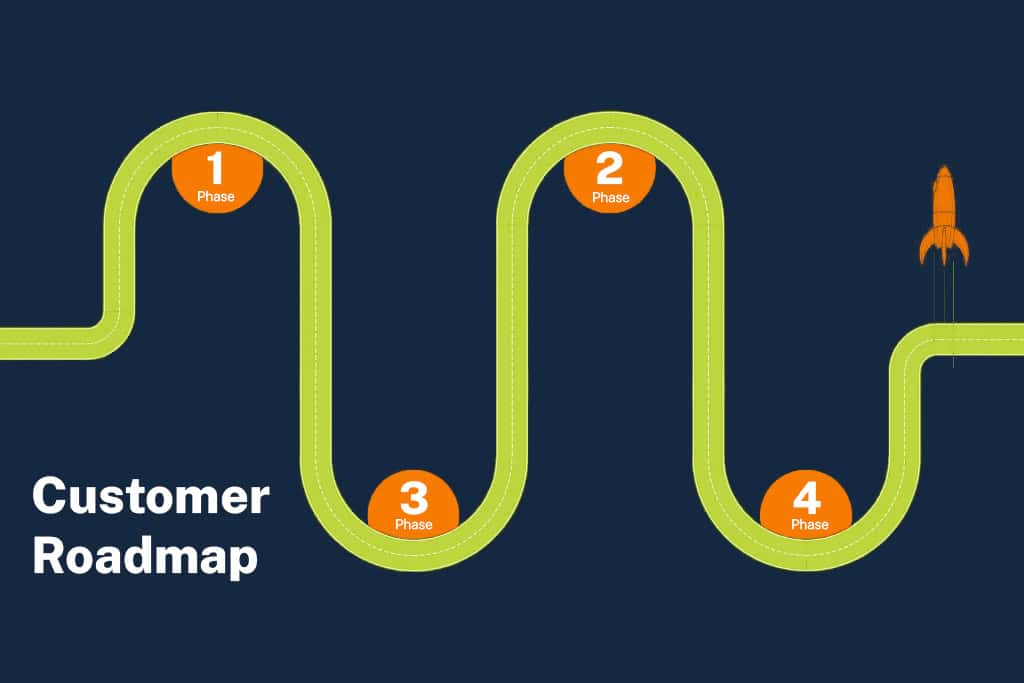
The AIDA model provides a structured approach to understanding the customer journey through the stages of the marketing and sales funnel from gaining a potential customer’s attention all the way to the point of action or purchase.
Leads and the Purchasing Funnel
Your success in sales relies heavily on how effectively you can guide leads through the purchasing funnel. The AIDA model begins with Awareness, where you must capture the attention of your potential customer. The key is to stand out amidst the noise and make the consumer aware of your product or service. The next phase, Interest, involves piquing the curiosity of these leads by showcasing the benefits and unique selling points of your offering. Awareness and interest are crucial in converting leads into potential buyers.
Nurturing Customer Relationships
Once interest is established, it’s about nurturing that connection. This nurturing process builds Desire, the third stage in the AIDA model, by reinforcing the lead’s need for your product and highlighting how it aligns with their personal values or solves their specific problem. It’s imperative to maintain consistent, value-driven communication that fosters trust and satisfaction, thus solidifying the foundation for a strong customer relationship.
Personalisation and Customer Retention
Finally, the Action stage of the AIDA model is where the potential customer makes a purchasing decision. Enhance this phase with personalisation strategies, as tailored experiences are more likely to result in a sale, leading to customer satisfaction and driving retention and loyalty. It’s this loyalty that fuels the post-purchase part of the customer journey, where satisfied customers become advocates, generating referrals and reinforcing the sales and marketing funnel.
Maximising the Impact of Calls to Action
To significantly enhance the effectiveness of your marketing, honing the quality and placement of calls to action (CTAs) is essential. These are the critical links between the customer’s interest and the action you want them to take.
Landing Pages and Sales Strategies
Leverage landing pages as the arena where interest is transformed into desire. Here are key considerations for your CTAs:
- Clarity: Your CTA must stand out with a clear message about what you’re offering. For example, “Add to Basket” for a straightforward purchase or “Learn More” for additional information.
- Position: Place your CTA above the fold to ensure immediate visibility without the need for scrolling.
- Urgency: Use time-sensitive phrasing, like “Offer ends soon”, to incentivise prompt action.
- Upsell: Integrate a subtle upsell within your CTA by suggesting an upgrade or a premium version.
By aligning your sales strategies with your CTAs, you create a seamless path to purchase. For instance, guide your users through the benefits of your product and nudge them towards the action with a strategically placed CTA like “Start your free trial”.
Email Campaigns and Newsletters
Craft your email campaigns and newsletters to steer recipients towards your desired outcome:
- Personalisation: Tailor your CTAs based on the user’s previous interactions with your site. For instance, “Return to your wishlist” can re-engage someone who’s shown prior interest.
- Consistency: Maintain consistent design and language in your email CTAs with your brand’s overall look and voice.
- Analysis: Use A/B testing to refine the wording, colour, and design of your CTAs to see what resonates best with your audience.
Remember, each interaction with your audience through emails or newsletters must be thought of as an opportunity to lead them closer to your final CTA. Whether it’s a subtle nudge or a bold call, your CTA must encapsulate the essence of your message and the value proposition you are offering.
Key Models Related to AIDA
When considering the AIDA model in the context of consumer behaviour and marketing communication, it’s vital to recognise its relationship with other theoretical frameworks. One such key model that expands on AIDA’s principles is the “Hierarchy of Effects Model” within marketing.
Hierarchy of Effects and the Marketing Model
The Hierarchy of Effects Model elaborates on how consumers interact with marketing efforts. Initially, you’re exposed to a product through various communication strategies. This exposure aims to take you through several distinct stages, similar to AIDA, which are typically categorised as awareness, knowledge, liking, preference, conviction, and purchase.
At the heart of this model, and indeed AIDA itself, is the concept of a hierarchy. This hierarchy details a sequence of steps you go through, from first hearing about a product to finally making a purchase. These stages mirror AIDA’s Attention, Interest, Desire, and Action sequence, but with added granularity, providing a more in-depth analysis of the progression of your thinking and emotional engagement.
The marketing model adapts these steps into strategic actions. Your journey begins with awareness—just knowing the product exists. It then moves through more engaged states like knowledge, where you learn about the product attributes or benefits, which parallels the Interest stage in AIDA.
For marketers, understanding this process is essential to guide communication strategies. Applying the Hierarchy of Effects Model alongside AIDA can help tailor marketing messages to be effective at each stage of the decision-making process. Moreover, it offers a framework to measure the impact of these messages and refine them for better conversion rates.
By comprehending these models, you gain insight into the aid marketing model, which is crucial for developing effective marketing strategies that resonate at each point of the customer’s journey.
Critique and Evolution of the AIDA Model
As you explore the AIDA model, it’s important to understand that whilst it has historically underpinned many marketing strategies, it has also faced criticism and evolved to meet modern demands.
Modern Adaptations and Challenges
The AIDA model, known for laying out a clear purchase process, has had to adapt in the face of e-commerce and digital marketing advances. Criticism stems from the idea that the linear journey it suggests does not always align with today’s consumer behaviour, which can be non-linear and influenced by various digital touchpoints. In light of this, your content marketing strategy may require an updated version of AIDA that incorporates customer retention and loyalty, acknowledging that the relationship with a customer doesn’t end at the purchase.
Comparatively, dealerships may integrate the AIDA model within a CRM system to personalise consumer interactions and follow leads through a digital sales funnel. E-commerce platforms often tweak the model, adding stages like ‘retention’ and ‘advocacy’ to accommodate repeat purchases and peer-to-peer marketing.
Comparative Analysis with Other Models
It’s beneficial to compare AIDA to other models to refine your marketing strategy. For instance, the REAN model (Reach, Engage, Activate, Nurture) recognises the need for nurturing a lead beyond activation, emphasising long-term engagement. Another example is the 5As (Aware, Appeal, Ask, Act, Advocate), which diverges from AIDA by prioritising continuous interaction with the customer even after the sale is made.
On a tactical level, content marketing strategy often draws on AIDA but may also employ storytelling or HEART (Hear, Engage, Activate, Reflect, Trust) frameworks to build a connection with the audience.
By considering these adaptations and alternatives, you can cultivate a more resilient and relevant approach to reaching and engaging with your customers.
Frequently Asked Questions
The AIDA model is a classic framework that outlines the consumer’s journey from unawareness of a product to the point of purchase or action. It is an acronym for Attention, Interest, Desire, and Action. Here, you’ll find answers to common queries regarding its components, application, and benefits in marketing.
What does each component of the AIDA acronym signify in marketing?
Each component of the AIDA model plays a pivotal role in guiding potential customers along their buying journey. Attention is about capturing the target audience’s notice. Interest involves keeping their interest with compelling information. Desire means fostering a wish for the product or service. Lastly, Action encourages the final step of making a purchase or engaging with the brand.
Can you provide an example of how the AIDA model is utilised in advertising?
Certainly, the AIDA model is used in various advertising strategies. For instance, an attention-grabbing advert may feature a striking visual or headline to draw viewers in. Interest is maintained through persuasive messaging that highlights the product’s benefits. Desire is created by showcasing the product’s value and relevance to the consumer. The call to action (CTA) will then motivate the audience to make a purchase or seek more information.
How does the AIDA model impact the effectiveness of promotional campaigns?
The AIDA model directly influences the effectiveness of promotional campaigns by structuring the message to align with the consumer’s psychological process. By capturing the consumer’s attention, maintaining their interest, and creating desire, marketers increase the chances that consumers will take the final step and act upon their interest, thus elevating campaign outcomes.
Could you explain the stages of the AIDA model with a real-world illustration from a well-known brand?
A real-world illustration is the Apple marketing campaigns. Apple excels at garnering Attention with its iconic product launches. During these events, they build Interest by detailing innovative features. Desire is cultivated by emphasising the lifestyle and status associated with owning an Apple product. Finally, Action is facilitated by offering the product in-store or online immediately following the launch.
In what way is the AIDA model integral to the planning of marketing strategies?
The AIDA model serves as a blueprint for crafting marketing strategies that align with consumer behaviour. By understanding and applying the steps in the AIDA model hierarchy, marketers can create targeted approaches that accompany the customer from first learning about a product to making a decision to buy, maximising the potential of marketing efforts.
What are the main advantages of employing the AIDA model for businesses and advertisers?
Employing the AIDA model lets businesses and advertisers structure their communications to facilitate the customer journey. It enhances the chances of capturing the target market’s attention, sustaining their interest, generating desire for offerings, and ultimately prompting action. This results in more effective campaigns, better conversion rates, and potentially increased sales and customer loyalty.
Latest news

15 min read
9th Sep 2026
How AI Decides Which Schools to Recommend to Parents
A parent looking for a school used to begin with a fairly predictable Google search. They might type “independent schools near Oxford”, open several websites and gradually build a shortlist. Increasingly, there is another option. They can ask an AI system a much more specific question. “Which independent girls’ schools...
Tim Daddio
Read article

15 min read
2nd Sep 2026
LinkedIn Isn’t a Megaphone: How Firms Actually Win Work There
LinkedIn can create a slightly misleading impression of what business development looks like. Open the feed and there is no shortage of activity. Firms announce new hires, congratulate colleagues, share awards, publish articles, celebrate office anniversaries and occasionally reveal that the entire team spent Friday afternoon building a raft for...
Tim Daddio
Read article

15 min read
26th Aug 2026
Winning the “Independent School Near Me” Search: Local SEO for Schools
For independent schools, visibility is often local before it is anything else. Here’s how to make sure your school appears when nearby families start searching. For many parents, the search for a school begins before they know the name of the school they are looking for. They are searching for...
Tim Daddio
Read article

15 min read
20th Aug 2026
Your Website Gets Traffic but No Enquiries, Here’s Why.
Getting more people to your website is usually treated as a good thing, and in most cases it is. SEO is working, campaigns are generating clicks, people are finding the business and the traffic graph is moving in the right direction. The problem comes when none of those visitors actually...
Tim Daddio
Read article