

Rebellion Marketing
35 min read
19th Jun 2024
Contents
- Laying A Solid Foundation
- STEP 1: Define Your Audience and Target Market
- STEP 2: Research Your Competitors
- STAGE 3: Create a list of topics/content ideas for each level of the marketing funnel
- STEP 4: Choose your focus keywords for each topic
- STEP 5: Plan Your Internal Links
- STEP 6: Write Your Meta Title and Description
- STEP 7: Create the Structure for Your Blog
- STEP 8: Get Writing!
- STEP 10: Publish!
We’re taking a deep dive and giving you our tried and tested step-by-step guide on writing a blog that actually converts, but before we do that, here’s a short list of the steps you should take if you want to just crack on:
- Define your audience and target market
- Research your competitors
- Create a list of topics/content ideas for each level of the marketing funnel
- Choose your focus keywords for each topic
- Plan your internal links
- Write your meta title and description
- Create the structure for your blog
- Get writing!
- Optimise with NLP keywords
- Publish!
Ok, let’s get into it!
Listen, why are you writing blog posts that nobody is going to read? Can we all agree at this point that it’s a waste of time and, if we’re going to write a blog, we should be creating a blog for search?
Now, don’t get me wrong, if you’re writing interesting opinion pieces or company news (noticed how I separated company news from the word “interesting” there?!), to send out in your mailers or on socials, then fine.
But, if your goal is to attract more of your target market to your website and get them tumbling down that sexy little marketing funnel, then you need a strategy. And, more importantly, you need to write about things people actually want to read about. Nobody wants a blog post telling them that you had pizza in the office again Dave, like, for real.
So, how do you do that? And, how do you know what people are searching for and what type of blog post they want to see? Well, read on as we’re giving you a step by step guide on exactly how to do just that.
Laying A Solid Foundation
Understanding Types of Blog Posts and Blog Content
Understanding the types of blog posts and content you’ll create sets a strong foundation. Regular formats include how-to guides, listicles, opinion pieces, and product reviews. Each type serves a different purpose and audience so bear this in mind as you approach each section of this guide.
For example, how-to guides provide practical advice, while opinion pieces allow you to share your perspective on industry trends. Mix these formats to engage different reader preferences and keep your content diverse. Incorporating multimedia like images, videos, and infographics can also enrich your content. It also helps to keep design in mind before you start.
A versatile content strategy is key to maintaining reader interest and boosting your SEO efforts. This approach helps you rank higher on Google and drives maximum traffic to your blog.
STEP 1: Define Your Audience and Target Market
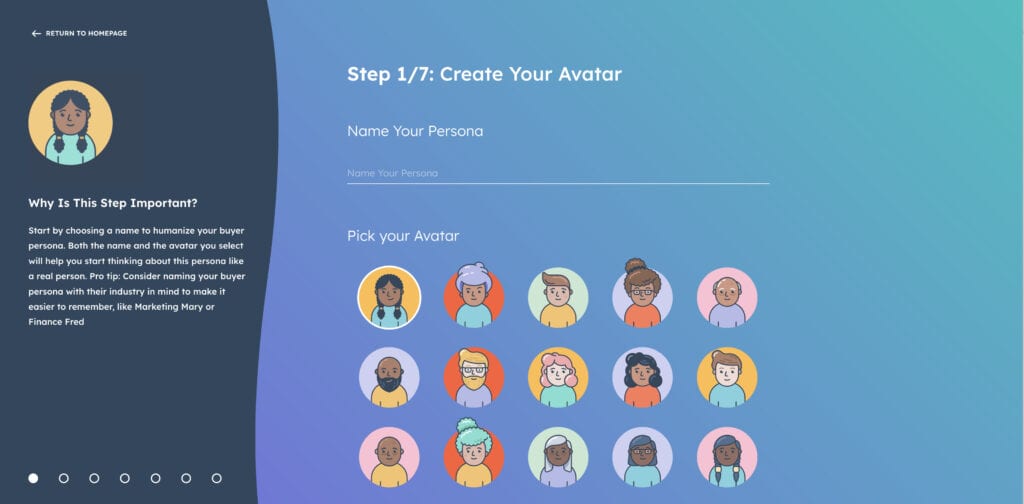
Hubspot has a great tool that helps you build your buyer persona completely free
Before you start writing blog posts, you need to have a clear picture of who you’re writing for and a clear goal in mind. Defining your audience and target market is the foundation of creating a blog that not only attracts readers but keeps them coming back for more. This step by step guide will help you lay that foundation.
To begin, identify who you’re writing for. Knowing your audience shapes your content and ensures relevance. Consider demographics such as age, location, and interests. Tools like Google Analytics can provide insights into your current audience.
Next, select a blog topic that resonates with them. Choose subjects that are not only interesting but also provide value. Align your topic with your audience’s needs and pain points. This way, you increase engagement and keep readers returning for more.
Why It’s Important
Understanding your audience helps you find your seed keyword and tailor your content to meet their needs, interests, and pain points. This alignment increases engagement, builds trust, and drives conversions. Without a clear audience in mind, your content is likely to miss the mark and fail to connect.
Steps to Define Your Audience
- Identify Demographics
- Age: Are you targeting teenagers, young adults, or a more mature audience?
- Gender: Is your content gender-specific or more neutral?
- Location: Are your readers local, national, or international?
- Income Level: What is the economic status of your audience?
- Understand Psychographics
- Interests and Hobbies: What do they enjoy doing in their free time?
- Values and Beliefs: What matters most to them?
- Lifestyle: What kind of life do they lead? Busy professionals, stay-at-home parents, etc.
- Analyse Behaviour
- Online Behaviour: What platforms do they use? How do they consume content?
- Purchase Behaviour: Are they budget-conscious or luxury seekers?
- Engagement Patterns: When and how often do they interact with content?
- Create Audience Personas
- Develop detailed profiles for different segments of your audience. Include names, demographics, psychographics, and behaviour patterns.
- Example Persona: Tech-Savvy Tina – A 25-year-old software developer who loves the latest gadgets, follows tech blogs, and frequently buys new electronics online.
- Use Tools and Data
- Google Analytics: Analyse your current audience’s demographics and behavior.
- Social Media Insights: Use Facebook Audience Insights, Twitter Analytics, etc., to gather more data.
- Surveys and Feedback: Directly ask your readers about their preferences and interests.
Putting It Into Practice
- Tailor Your Content: Write in a way that speaks directly to your audience personas. Use their language, address their specific needs, and solve their problems.
- Choose Relevant Topics: Focus on subjects that matter to your audience. This ensures your content is both interesting and useful to them.
- Engage with Your Audience: Respond to comments, ask for feedback, and make your readers feel heard and valued.
Defining your audience is the most important stage of blog writing. Nail this, and the rest of the steps will be a breeze! Take the time to define your audience and target market, and set the stage for creating highly relevant and engaging content that resonates with your readers and drives meaningful traffic to your blog.
STEP 2: Research Your Competitors
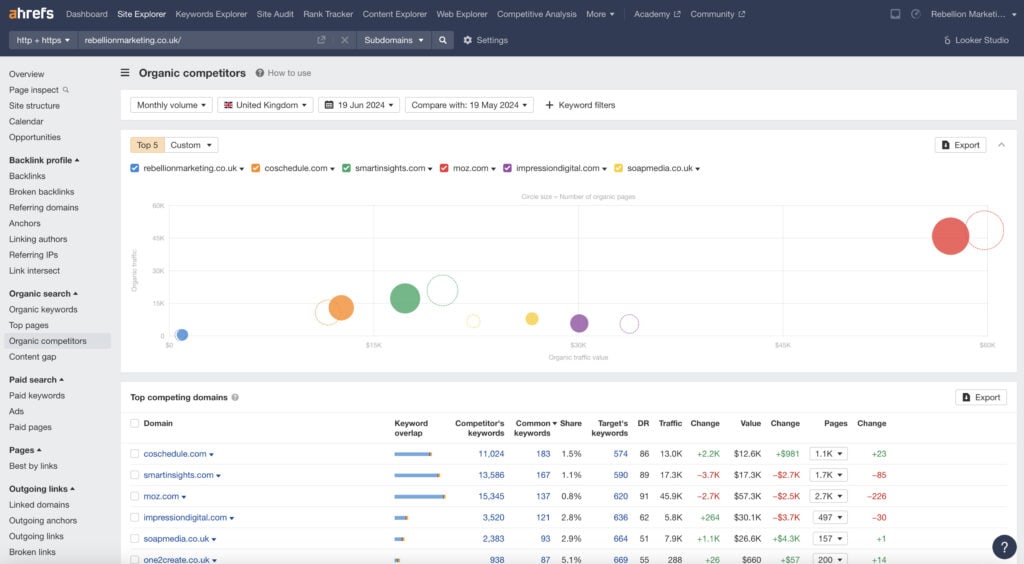
To write a successful blog that drives organic traffic, you need to know what you’re up against. Researching your competitors is a a really important step in the blogging journey that helps you uncover blog post ideas, identify relevant keywords, and understand the type of blog content that resonates with potential readers. This step-by-step guide will walk you through the process of competitive analysis to enhance your blog’s search engine optimisation (SEO).
Why Competitor Research Matters
Understanding your competitors provides insights into the strategies that work in your niche. It helps you identify gaps in the market, discover new topic ideas, and refine your own blogging strategy. By analysing the strengths and weaknesses of other successful bloggers, you can improve your writing skills and optimise your blog posts for better visibility.
Steps to Research Your Competitors
- Identify Your Competitors
- Start by identifying who your main competitors are. Look for prominent bloggers and businesses creating content in your sector who rank highly on search engines.
- Use tools like SEMrush, Ahrefs, and Moz to find competitors by entering your target keywords and seeing who currently ranks top for them.
- Analyse Their Blog Content
- Review the types of blog posts they publish. Are they focusing on how-to guides, listicles, opinion pieces, or in-depth tutorials?
- Examine their blog post outlines to see how they structure their content. Note the use of headings, bullet points, and multimedia elements like images and videos.
- Examine Their SEO Strategy
- Look at the relevant keywords they target. Use keyword research tools to identify the primary and long-tail keywords each of their blogs rank for. You want high volume and low keyword difficulty here as much as possible. These keywords will be easier to rank for and actually deliver traffic
- Analyse their meta titles and descriptions. How do they incorporate keywords to attract clicks from search engines?
- Evaluate User Experience
- Assess the design and layout of their blog. Is it user-friendly and visually appealing? A well-designed blog enhances user experience and keeps readers engaged.
- Check their loading speed and mobile responsiveness. Tools like Google PageSpeed Insights can help with this.
- Inspect Their Social Media Presence
- See how they promote their content on social media platforms. What type of posts get the most engagement?
- Analyse the frequency and timing of their social media updates. Consistency can lead to a steady stream of traffic from social channels.
- Look at Their Engagement Tactics
- Evaluate how they interact with their audience. Do they respond to comments and engage with readers on social media?
- Check if they use internal and external links effectively. Internal links keep readers on the site longer, while external links to high-authority sites can boost credibility.
- Understand Their Content Management
- Find out what blogging platform they use. A self-hosted WordPress blog, for example, offers extensive customisation and SEO capabilities.
- Look into their use of custom domains and blog themes. A custom domain can enhance credibility, while a unique theme can make the blog stand out.
- Identify Gaps and Opportunities
- Look for unanswered questions or gaps in your competitors’ content. What topics are they not covering that you could?
- Use this information to generate new blog post ideas and create content that fills these gaps.
Tools for Competitive Analysis
- Google Analytics: Track your own traffic and compare it with your competitors.
- SEMrush/Ahrefs: Analyse competitors’ keywords, backlinks, and overall SEO strategy.
- BuzzSumo: Discover trending topics and content in your niche.
- Canva: Create original photos and graphics to make your content stand out.
Putting It Into Practice
- Tailor Your Content: Use the insights gained from competitor research to create high-quality content that addresses the needs and interests of your audience.
- Optimise for SEO: Incorporate relevant keywords and follow best practices for on-page SEO, including meta tags, URL slugs, and internal linking.
- Enhance User Experience: Ensure your blog is easy to navigate, visually appealing, and optimised for both desktop and mobile users.
By thoroughly researching your competitors, you can gain a competitive edge, refine your blogging strategy, and create a blog that consistently attracts and retains readers. This step in the process known as competitor analysis is fundamental to building a successful blog that stands out in the crowded digital landscape.Putting It Into Practice
STAGE 3: Create a list of topics/content ideas for each level of the marketing funnel
Creating a list of blog post ideas for each level of the marketing funnel helps you to keep a clear focus on your goals and purpose of each piece throughout the writing process. The aim is to write blog posts that attract, engage, and convert potential readers into loyal customers. This step by step guide will help you brainstorm ideas and topics for relevant content that targets each stage of your audience’s journey, ensuring your blog becomes a successful blog that drives organic traffic.
Understanding the Marketing Funnel
The marketing funnel usually consists of three main stages: awareness, consideration, and decision However, we tend to use the AIDI model more frequently as it goes slightly deeper into the stages a user goes through before becoming a customer.

Each stage requires different types of blog content to meet the needs and interests of your potential readers.
- Awareness Stage
- Goal: Attract a broad audience and introduce them to your blog post or article.
- Content Type: Informative and educational posts that address common questions and problems.
- Examples:
- How-to guides
- Listicles
- Ultimate guides
- Blog Post Ideas:
- “10 Essential Tips for Starting a Personal Blog from Scratch”
- “The Ultimate Guide to SEO for New Bloggers”
- “How to Choose the Right Blogging Platform for Your Travel Blog”
- Consideration Stage
- Goal: Engage readers by providing more in-depth information and solutions.
- Content Type: Comparative and detailed posts that highlight different options and solutions.
- Examples:
- Case studies
- In-depth tutorials
- Comparison posts
- Blog Post Ideas:
- “A Detailed Comparison of Self-Hosted WordPress Blog vs. Other Blogging Platforms”
- “Case Study: How One Successful Blogger Increased Traffic from Search Engines by 200%”
- “Step-by-Step Guide to Crafting the Perfect Blog Post Outline”
- Decision Stage
- Goal: Convert readers into customers by providing compelling reasons to choose your product or service.
- Content Type: Persuasive and trust-building posts that encourage readers to take action.
- Examples:
- Testimonials
- Product reviews
- FAQs
- Blog Post Ideas:
- “Why a Custom Domain is Essential for a Professional Blog”
- “Top 5 Blogging Software Tools for Creating High-Quality Content”
- “FAQs: Everything You Need to Know About Starting a Cooking Blog”
Generating Topic Ideas
- Keyword Research Tools
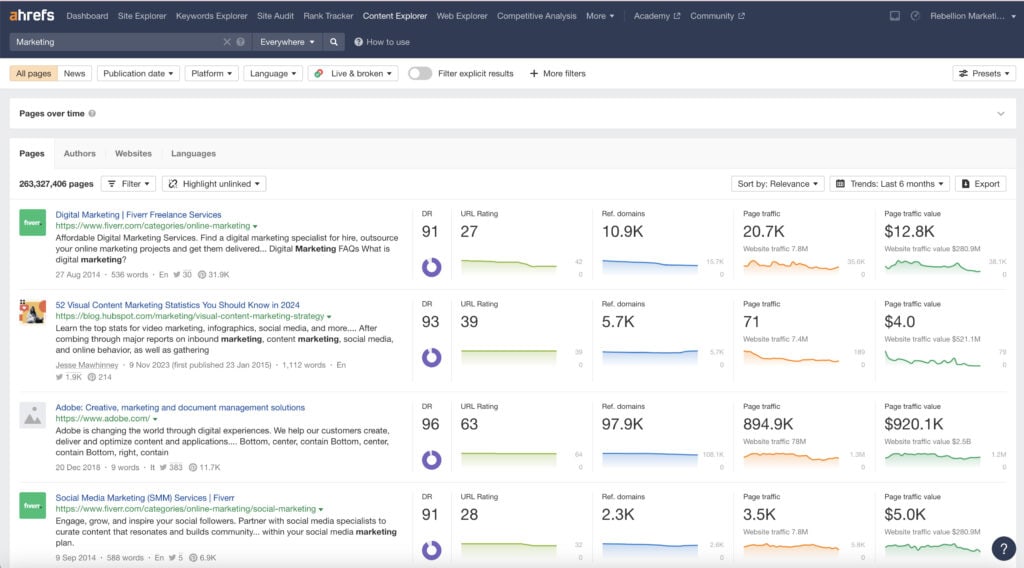
- Use tools like Google Analytics, SEMrush, and Ahrefs to find relevant keywords and topic ideas that your potential readers are searching for. This will help you identify blog topics that align with your audience’s interests. Combine this with what your competitors are ranking for and you’re onto a winner!
- Personal Experience
- Draw from your own experiences and expertise. Share stories and lessons learned to create a more relatable and engaging blog post.
- Reader Feedback
- Engage with your audience on social media platforms and through comments on your blog. Ask for feedback and suggestions on what topics they would like to see covered.
Structuring Your Blog Posts
- Blog Post Outline: Start with a clear outline to organise your thoughts and ensure a logical flow of information. Use headings, subheadings, bullet points, and relevant images to make your content easy to read and scan.
- Internal Links: Include internal links to other relevant posts on your blog to keep readers engaged and improve your blog’s SEO.
- External Links: Link to high-authority sources to back up your information and provide additional value to your readers.
Optimising for SEO
- Relevant Keywords: Incorporate primary and long-tail keywords naturally throughout your content. Focus on using them in your blog title, headings, meta descriptions, and URL slugs.
- Multimedia Elements: Enhance your posts with original photos, videos, infographics, and other multimedia elements to improve user experience and engagement.
- High-Quality Content: Ensure your content is well-researched, informative, and free of grammatical errors. High-quality content is essential for building trust and credibility with your readers.
By following these steps and utilising the provided topic ideas, you’ll be able to create a steady stream of relevant content that guides your audience through the marketing funnel. This approach will help you build a successful blog that attracts organic traffic and converts readers into paying customers and clients.
STEP 4: Choose your focus keywords for each topic
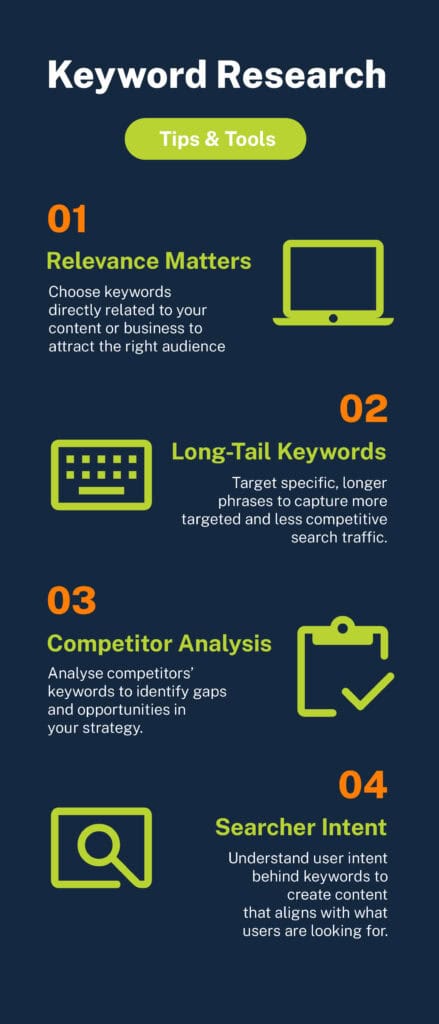
Infographic template by Frazzi Studio
It’s all about Search Engine Optimisation (SEO) and choosing the right search terms to deliver volume from the right people at the right time.
Whether it’s simple “how to” guides, or you’re tackling more complex topics writing a successful blog that consistently attracts maximum traffic requires more than just great content. You could write the best piece of content in the world, but if it’s not well optimised, nobody will find it so, as a starting point, you need to define your target keyword.
Keyword research is crucial for blog visibility. Use tools like Google Keyword Planner, Ahrefs, and SEMrush to find relevant keywords. Your goal is to discover terms your audience is searching for.
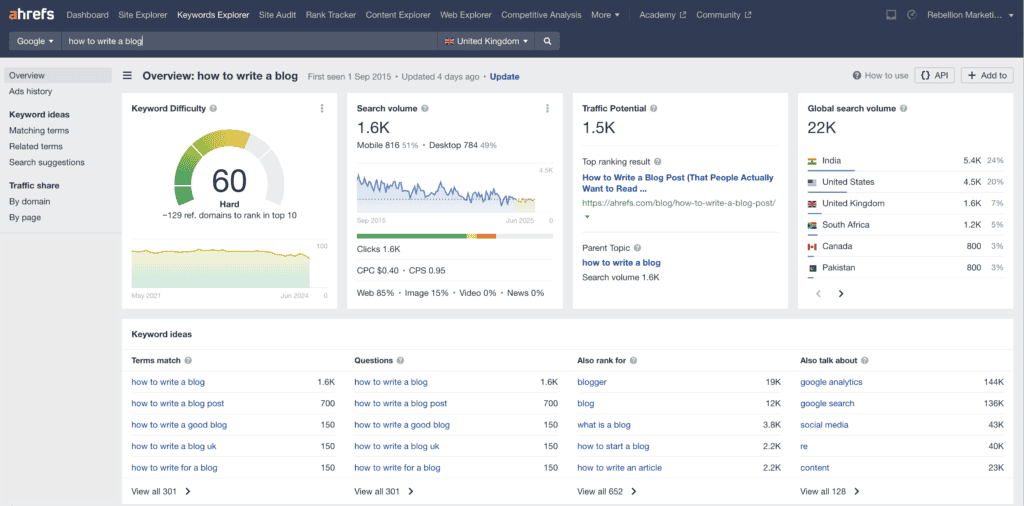
Focus on long-tail keywords, which are more specific and less competitive. These can drive targeted traffic to your blog. Also, analyse keyword difficulty and search volume. Aim for a balance where terms are not too competitive but have a decent search volume.
Identifying the Right Blog Post Ideas
Once you have your keywords, brainstorm blog post ideas. Look at what competitors are writing and identify gaps. Tools like BuzzSumo can reveal trending topics in your niche.
Prioritise evergreen content that remains relevant over time. This includes how-to guides, lists, and tutorials. You can also tap into user-generated content, answering common questions from your audience. Consistently update and refine your blog ideas based on current trends and feedback.
As you might have realised, choosing the right focus keywords for each blog topic is a fundamental step in search engine optimisation that ensures your blog posts attract organic traffic and engage potential readers. This step by step guide will walk you through the process of selecting relevant keywords to make your blog content shine on search engines.
Why Focus Keywords Matter
Focus keywords are the specific terms and phrases that potential readers are searching for. By incorporating these relevant keywords into your blog posts, you can improve your visibility on search engines, drive more traffic to your blog, and establish yourself as a an authority in your sector, which is exactly what you need to become a successful blogger!
Steps to Choose Focus Keywords
- Brainstorm Topic Ideas
- Start with brainstorming blog post ideas using the techniques we’ve already discussed. Consider what your audience wants to read about and how you can address their questions or problems.
- Examples:
- “How to Start a Personal Blog from Scratch”
- “Top Tips for SEO Optimisation on a Self-Hosted WordPress Blog”
- “The Ultimate Guide to Creating a Beautiful Blog”
- Use Keyword Research Tools
- Utilise keyword research tools like Google Keyword Planner, Ahrefs, and SEMrush to find keywords related to your blog topic. Intent is key here, so don’t just go for high volume without thinking about the intent of the users searching that term
- Look for primary keywords with a high search volume and long-tail keywords that are more specific and less competitive (lower keyword difficulty (KD)).
- Focus on Relevance
- Ensure that the keywords you choose are relevant to your blog content. They should match the intent of your potential readers and be naturally integrated into your writing process.
- Examples: If you’re writing about “cooking blog tips,” your keywords could be “recipe blog,” “cooking blog SEO,” and “food blog ideas.”
- Incorporate Keywords Strategically
- Place your focus keyword in strategic locations within your blog post, including the blog title, headings, URL slug, and throughout the content.
- Use them naturally to avoid keyword stuffing, which can harm your SEO.
Structuring Your Blog Posts with Keywords
- Blog Post Outline: Start with a clear outline that includes your main points and where you plan to incorporate your focus keyword.
- Headings and Subheadings: Use keywords in your headings (H1, H2, H3) to help search engines understand the structure and content of your post.
- Meta Description: Write a compelling meta description that includes your primary keyword to improve click-through rates from search engines.
- Internal and External Links: Use internal links to connect related posts within your blog and external links to high-authority sites. Both types of links can enhance your SEO.
Tools for Keyword Integration
- Google Docs: Use Google Docs to draft your blog posts and keep track of your keyword placements.
- Photo Editor: Optimise your images with keywords in the file names and alt text.
- Blogging Software: Leverage blogging platforms like WordPress, which offer plugins for SEO optimisation and keyword tracking.
Best Practices for Keyword Use
- Quality Over Quantity: Focus on creating high-quality content that provides value to your readers rather than overloading your post with keywords.
- User Experience: Ensure that your content is easy to read and engaging. Good user experience can lead to higher rankings and more traffic from search engines.
- Regular Updates: Keep your content fresh by regularly updating your keywords and blog posts based on the latest trends and data from keyword research tools.
Carefully choosing and integrating focus keywords into your blog topics, will create informative content that ranks well on search engines and attracts a steady stream of readers. This approach will help you build a well-designed blog that not only looks great but also performs exceptionally well in search engine results.
STEP 5: Plan Your Internal Links
Internal linking enhances the user experience and boosts the visibility of your blog content. A well-planned internal linking strategy ensures that your readers can easily navigate through your blog and find relevant content, keeping them engaged and increasing the chances of converting them into loyal followers.
Why Internal Links Matter
Internal links are hyperlinks that connect one blog post to another within your own website. They help distribute page authority across your site, making it easier for search engines to crawl and index your content. Effective internal linking can drive organic traffic, improve user engagement, and enhance the overall performance of your blog.
Steps to Plan Your Internal Links
- Map Out Your Blog Structure
- Start by creating a blog post outline that maps out the structure of your blog. This includes identifying your main topics and subtopics, and how they interrelate.
- Use Google Docs or a content management tool to visualise your blog’s hierarchy and plan where internal links should be placed.
- Identify Relevant Content
- Review your existing blog posts and identify relevant content that can be linked together. Look for posts that share similar themes, target keywords, or address related questions.
- Example: If you have a blog post about “SEO for Beginners,” you could link it to another post about “Advanced SEO Techniques.”
- Use Anchor Text Strategically
- Use descriptive and relevant keywords as anchor text for your internal links. This helps search engines understand the context of the linked content and improves SEO.
- Avoid using generic phrases like “click here” and instead use specific terms like “learn more about keyword research tools.”
- Create a Link Hierarchy
- Establish a hierarchy for your internal links, prioritising cornerstone content and high-value pages. Cornerstone content is the most important content on your blog, typically comprehensive guides or in-depth articles.
- Link from less important posts to these cornerstone articles to distribute authority and drive traffic to key pages.
- Regularly Update Links
- Regularly review and update your internal links to ensure they remain relevant and functional. As you publish new content, look for opportunities to link back to older posts.
- Use tools like Google Analytics to monitor the performance of your internal links and identify areas for improvement.
Best Practices for Internal Linking
- Consistency: Maintain a consistent internal linking structure throughout your blog. This makes it easier for readers and search engines to navigate your site.
- Relevance: Ensure that your internal links are relevant to the content of the blog post. Irrelevant links can confuse readers and harm your SEO efforts.
- Balance: Strike a balance between too many and too few internal links. Overloading a post with links can be distracting, while too few links can limit navigation options.
- User Experience: Focus on enhancing the user experience by linking to content that adds value and provides additional information. This keeps readers on your site longer and reduces bounce rates.
Tools to Help with Internal Linking
- Blogging Software: Platforms like WordPress offer plugins such as Yoast SEO that can help you manage and optimise your internal links.
- Keyword Research Tools: Use keyword research tools to find related keywords and content ideas that can be linked together.
- Google Analytics: Track the performance of your internal links and identify which links are driving the most traffic and engagement.
Planning your internal links strategically will improve your blog’s SEO, enhance the user experience, and ensure a steady stream of organic traffic to your site. This approach will help you build a successful blog that not only looks beautiful but also performs really well in search engine results.
STEP 6: Write Your Meta Title and Description
Infographic template by Frazzi Studio
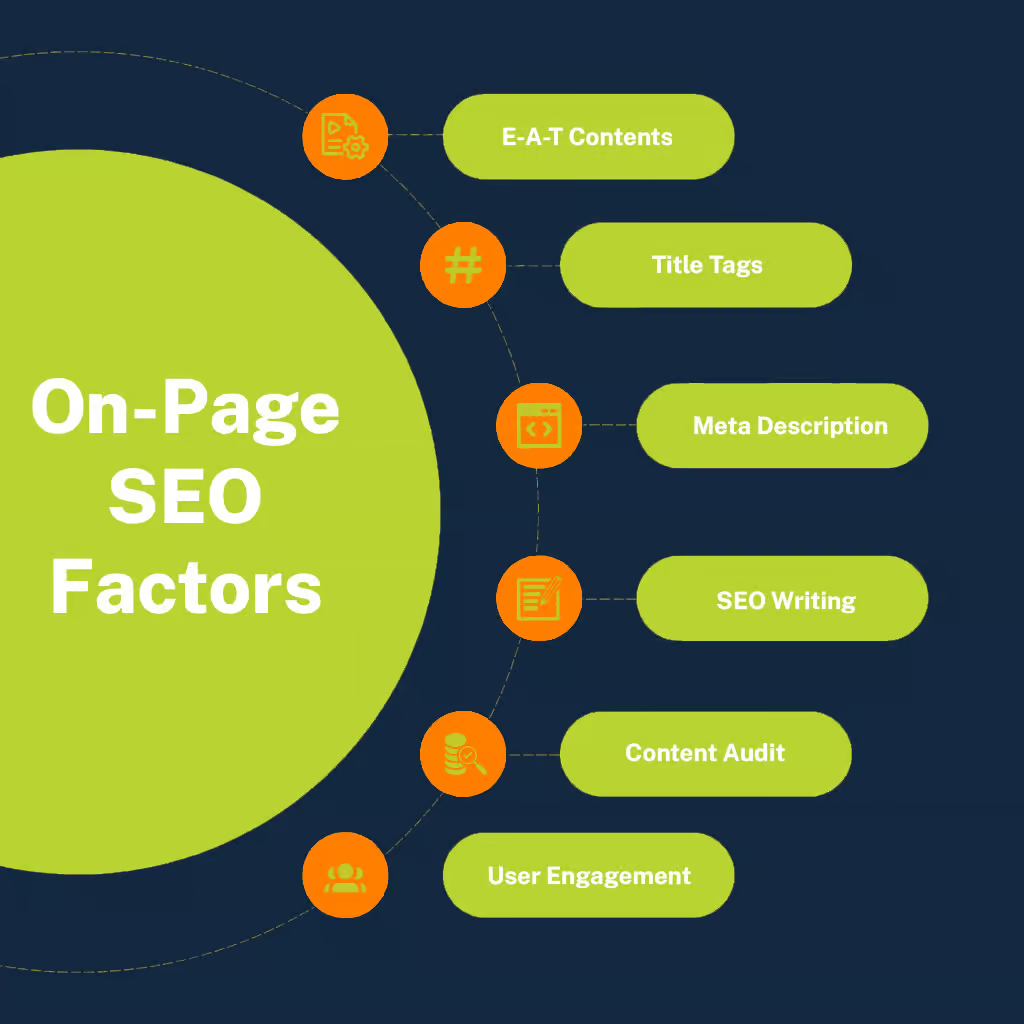
Crafting a compelling meta title and description can significantly impact your blog’s visibility and click-through rates. These elements are often the first impression potential readers have of your blog post in search engine results, so it’s essential to get them right.
Why Meta Titles and Descriptions Matter
Meta titles and descriptions play a vital role in attracting organic traffic. They provide a brief summary of your blog content, helping search engines and potential readers understand what your post is about. A well-crafted meta title and description can boost your click-through rates and enhance your blog’s performance on search engines.
Steps to Write Effective Meta Titles and Descriptions
- Understand the Basics
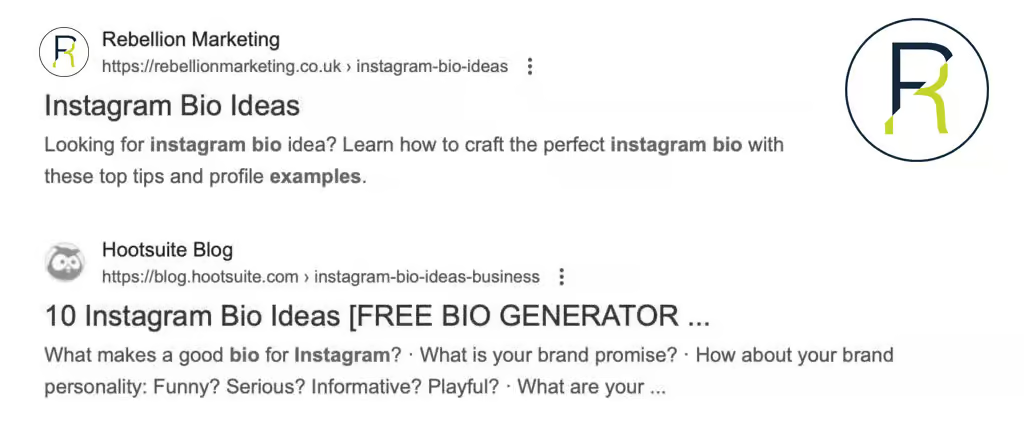
- Meta Title: This is the title that appears in search engine results and browser tabs. It should be concise, compelling, and include your primary keyword.
- Meta Description: This is a brief summary of your blog post that appears below the meta title in search results. It should provide a clear and enticing overview of your content.
- Incorporate Relevant Keywords
- Use keyword research tools to find relevant keywords that your potential readers are searching for. Incorporate these keywords naturally into your meta title and description.
- Example: If your blog post is about “SEO Tips for Travel Blogs,” your primary keyword might be “SEO tips for travel blogs.”
Best Practices for Meta Titles and Descriptions
- Be Specific: Clearly state what your blog post is about and what readers will gain from it.
- Use Actionable Language: Encourage readers to click by using verbs like “discover,” “learn,” and “find out.”
- Include Multimedia Elements: Mention any multimedia elements in your post, such as videos or infographics, to make it more enticing.
- Avoid Grammatical Errors: Proofread your meta titles and descriptions to ensure they are free of grammatical errors and typos.
- Engage Potential Readers: Write in a way that speaks directly to your audience’s needs and interests.
Tools to Help with Meta Titles and Descriptions
- Blogging Software: Platforms like WordPress offer plugins such as Yoast SEO that can help you optimise your meta titles and descriptions.
- Keyword Research Tools: Use tools like Ahrefs, SEMrush, and Google Keyword Planner to find the best keywords to include.
- Google Docs: Draft and edit your meta titles and descriptions in Google Docs for easy collaboration and feedback.
Following these steps and best practices you’ll write meta titles and descriptions that not only improve your blog’s SEO but also attract more readers and drive a steady stream of organic traffic to your site.
STEP 7: Create the Structure for Your Blog

Infographic by Designer in your pocket
Creating a well-organised structure for your blog not only helps you make sure you get all the key information in there, but it also helps readers navigate and digest the content easily. A structured blog not only enhances the user experience but also boosts your search engine optimisation (SEO) efforts. Think of it as laying a solid foundation for your online presence – without it, all your efforts could crumble. So, let’s dive into this step-by-step guide that will help you craft a successful blog structure, ensuring it’s a hit with both your audience and search engines.
Why Blog Structure Matters
A clear and logical structure makes your blog easy to navigate, which helps keep readers on your site longer. This, in turn, signals to search engines that your blog content is valuable and relevant, boosting your rankings. A structured approach to writing blog posts can streamline your writing process and ensure you cover all necessary points.
Steps to Create the Structure for Your Blog
- Define Your Blog Topic and Goals
- Start by clearly defining the main topic of your blog and your goals. Are you creating a personal blog, a business resource, a travel blog, or a recipe blog? Knowing this helps you stay focused and relevant.
- Example: “I want to create a self-hosted WordPress blog about travel tips for budget traveler’s.”
- Choose a Blogging Platform and Custom Domain
Picking the right blogging platform is really important. You want a platform that is user-friendly, offers flexibility, and supports your long-term goals. WordPress, Wix, and Squarespace are popular choices. WordPress is renowned for its versatility and extensive plugins, making it ideal for customisation and SEO.
Wix is great if you prefer drag-and-drop features with design templates. Squarespace offers beautiful templates and integrated e-commerce features if you’re selling products. Assess your needs and technical comfort to pick the right one.
A custom domain boosts your blog’s credibility. Use registrars like GoDaddy or Namecheap to find the perfect domain name. Ideally, your domain should be short, memorable, and reflective of your blog’s theme or business offering.
Equally important is your blog title. Choose something relatable and engaging, which clearly communicates the essence of your content. If you’re writing about travel, something like Wanderlust Diaries could work. Ensure it’s easy to spell and pronounce to make it user-friendly.
- Select a blogging platform that suits your needs, if you’ve already got a business website, make sure your blog is on the same domain. WordPress is a popular choice due to its flexibility and extensive plugin support.
- Secure a custom domain that reflects your business and is easy to remember. Again, if you already have a business, host your blogs in the same place.
- Example: “budgettravelblog.com”
Best Practices for Blog Structure
- Use Clear Headings and Subheadings: Break your content into sections using H1, H2, and H3 tags. This improves readability and helps search engines understand the structure of your content.
- Incorporate Multimedia Elements: Enhance your posts with original photos, videos, and infographics. This makes your content more engaging and visually appealing.
- Maintain Consistency: Keep a consistent posting schedule to build a steady stream of traffic and keep your audience engaged.
- Focus on User Experience: Ensure your blog is mobile-friendly, loads quickly, and is easy to navigate. A positive user experience can lead to higher rankings and more traffic.
Tools to Help with Blog Structure
- Google Docs: Use Google Docs to draft and organise your blog posts. This makes collaboration and editing easier.
- Blogging Software: Leverage blogging platforms like WordPress, which offer tools and plugins to help you manage your content and optimise for SEO.
- Photo Editor: Use tools like Canva or Photoshop to create high-quality images and graphics for your blog.
Structuring URLs for Maximum SEO Impact
Your URL structure significantly affects SEO. Keep URLs clean, simple, and keyword-rich. Avoid long or complex URLs; instead, use short and descriptive URL slugs. For instance, a URL like “yourblog.com/on-page-seo-tips” is much better than “yourblog.com/123456789”.
Users and search engines prefer URLs that clearly describe the content of the page. Implementing keywords in your URL helps search engines understand your page’s topic, enhancing your visibility.
STEP 8: Get Writing!

Infographic by The Side Blogger.
You’ve laid the groundwork, now it’s time to get writing! This is where the magic happens – turning your blog post ideas into engaging content that resonates with your audience and ranks well on search engines. Here’s a handy guide to help you create high-quality blog posts that drive organic traffic and build a successful blog.
Start with a Blog Post Outline
Before you dive into writing, make sure you have created a blog post outline using the steps above. This helps you organise your thoughts and ensures you cover all the essential points. Use tools like Google Docs or your preferred blogging software to draft your outline. Break down your content into sections with clear headings and subheadings, which makes it easier for both your readers and search engines to navigate your post.
Craft a Compelling Blog Title
Your blog title is the first thing potential readers will see, so make it compelling. It should include relevant keywords to help with search engine optimisation (SEO) and give a clear idea of what the blog post is about. Use keyword research tools to find the best keywords for your title.
Example: “The Ultimate Guide to SEO for Your Self-Hosted WordPress Blog”
Write Engaging Content
When writing blog posts, focus on creating informative content that provides value to your readers. Here are some tips to keep in mind during the writing process:
- Use a Conversational Tone: Write as if you’re speaking directly to your reader. This makes your content more relatable and engaging.
- Incorporate Personal Experience: Share personal anecdotes or examples to add authenticity and make your content more interesting.
- Break Down Complex Topics: Simplify complex topics with clear explanations and examples.
- Include Relevant Images and Multimedia Elements: Use original photos, infographics, and videos to break up text and add visual interest. Image sites like Unsplash and Canva can be useful for finding and creating visuals.
Optimise for SEO
To ensure your blog content ranks well on search engines, follow these SEO best practices:
- Use Relevant Keywords: Naturally incorporate your primary keyword and long-tail keywords throughout your blog post. Avoid keyword stuffing, which can harm your SEO efforts and instead opt for NLP (natural language processing) keyword placement to show both your reader and google that you understand your topic well.
- Meta Description and URL Slug: Write a compelling meta description using the steps above that includes your target keyword and keep your URL slug short and descriptive.
- Internal and External Links: Include internal links to other related blog posts on your site and external links to high-authority sources to add credibility to your content.
Edit and Proofread
Don’t let grammatical errors or typos undermine your hard work. After writing your blog post, take the time to edit and proofread. Tools like Grammarly can help catch mistakes and improve your writing skills. Aim for high-quality content that’s polished and professional.
Publish and Promote
Once your blog post is polished and ready, hit publish on your blogging platform. But don’t stop there – promote your content on social media platforms, engage with your blogging community, and encourage readers to share your post. Consistent promotion helps drive a steady stream of traffic from search engines and social channels.
Monitor and Improve
Use Google Analytics to track the performance of your blog posts. Look at metrics like page views, bounce rate, and average session duration to understand how your content is performing. Use this data to refine your blog content and improve future posts.
By following these steps, you can create blog posts that not only attract and engage potential readers but also boost your SEO efforts and drive organic traffic to your site. This is the key to building a successful blog that stands out in the crowded blogosphere. So, get writing and let your blogging journey begin!
STEP 9: Optimise with NLP Keywords
To take your search engine optimisation to the next level, you need to optimse your blog posts with Natural Language Processing (NLP) keywords. This step guide will help you seamlessly integrate NLP keywords into your content, ensuring you attract organic traffic and keep your potential readers engaged. Let’s dive into how you can leverage NLP to create a successful blog.
What are NLP keywords?
NLP (Natural Language Processing) keywords are specific terms and phrases that help search engines and humans(!) understand the context, relevance, and intent of your content. For example, a in a blog about content writing, you would expect to see words like “writing process”, “audience” and “content topics”. By incorporating NLP keywords naturally into your blog posts, you can improve your search engine optimisation (SEO) efforts, making it easier for search engines to index and rank your content.
Why NLP Keywords Matter
NLP keywords help search engines understand the context and relevance of your blog content. By using NLP keywords effectively, you can improve your blog’s visibility on search engines, driving more organic traffic and enhancing the overall user experience. It’s about creating relevant content that resonates with both your audience and search engines.
Steps to Optimise with NLP Keywords
Integrate Keywords Naturally
- Incorporate your NLP keywords naturally throughout your blog content. Avoid keyword stuffing, as it can harm your SEO and make your content less enjoyable to read.
- Example: “When planning a budget travel adventure, it’s essential to consider the best travel destinations that offer affordable experiences.”
Use NLP Keywords in Strategic Places
- Ensure your primary keywords appear in strategic locations such as the blog title, headings, meta description, URL slug, and throughout the body of your post. This helps search engines recognise the relevance of your content.
- Place your NLP keywords throughout your content where they flow naturally and add to your copy rather than making it sound robotic or disjointed from the rest of the piece.
- Example: “budget travel destinations” in your blog title and meta description.
Best Practices for Using NLP Keywords
- Balance: Ensure a balance between primary keywords, long-tail keywords and NLP keywords to make sure your content not only ranks, but actually makes sense and gives value when being read.
- Context: Use keywords in a way that makes sense within the context of your content. Don’t spam your copy full of your focus keyword, that might have worked 20 years ago, but Google will penalise you big time for doing it now.
- User Intent: Understand the intent behind the keywords and create content that answers the questions your audience is asking.
- Monitor and Adjust: Use Google Analytics to monitor the performance of your blog posts and adjust your keyword strategy as needed.
Tools to Help with NLP Keyword Optimisation
- Blogging Software: Platforms like WordPress offer plugins like Yoast SEO that can help you optimise your content for keywords, but they don’t analyse intent or NLP keyword placement, so for that you’ll need to use something different. For more guidance on extracting NLP keywords from your competitor content, read the Geek for Geeks article on keyword extraction methods.
- Google Docs: Draft and organise your blog posts, ensuring keyword placement and natural integration. To manually check your NLP placement, you can use the find tool to see how many of each NLP keyword you have included in your copy and increase or decrease the quantity accordingly.
- Use Surfer SEO to optimise your content: Surfer helps you integrate the NLP keywords your blog needs to rank higher on search engines by providing data-driven insights on optimal keyword usage and placement automatically.
STEP 10: Publish!
You’ve done the hard work of writing blog posts, optimising with relevant keywords, and ensuring your blog content is high-quality and engaging. Now, it’s time for the most exciting part of your blogging journey – hitting that publish button!
Final Checks Before Publishing
- Review Your Blog Post Outline
- Double-check your blog post outline to ensure you’ve covered all key points. Make sure your blog title is compelling and includes your primary keyword.
- Proofread for Grammatical Errors
- Use tools like Grammarly to catch any grammatical errors or typos. High-quality content is free from mistakes and polished to perfection.
- Optimise Your Blog Post
- Ensure your blog post is fully optimised for search engines. This includes adding relevant keywords to your headings, meta descriptions, and URL slug.
- Example: Use long-tail keywords in your content naturally and avoid keyword stuffing.
- Add Multimedia Elements
- Incorporate relevant images, videos, and other multimedia elements to enhance the user experience. Tools like Canva and image sites can help you create visually appealing content with stock images if you don’t have your own.
- Make sure all images have descriptive alt text for better SEO.
- Check Internal and External Links
- Verify that your internal links guide readers to other relevant blog posts on your site, keeping them engaged. Ensure your external links point to high-authority sources.
- Set Up Your Custom Domain
- If you haven’t already, make sure your blog is hosted on a custom domain or your have custom post-types ready to go on your website. This enhances your blog’s credibility and helps with branding.
- Preview Your Post
- Use your blogging platform’s preview feature to see how your blog post will appear to readers. Check for any formatting issues or broken links.
Publishing Your Blog Post
- Log in to Your Blogging Platform
- Whether you’re using a self-hosted WordPress blog or another platform, log in to your account.
- Upload Your Content
- Copy and paste your blog content into the post editor screen. Make sure all formatting is correct and that your multimedia elements are properly displayed.
- Configure SEO Settings
- Fill in your meta title and description with the Target Keyword to ensure your post is optimised for search engines. Check your URL slug for relevance and clarity.
- Select Categories and Tags
- Choose the appropriate categories and tags for your blog post to make it easier for readers to find related content.
- Schedule or Publish Immediately
- Decide whether to publish your post immediately or schedule it for a later date. Consistency is key to maintaining a steady stream of traffic from search engines and social media platforms.
Promoting Your Published Post
- Share on Social Media
- Promote your newly published blog post on social media platforms. Use compelling captions and relevant hashtags to increase visibility.
- Engage with the Blogging Community
- Share your post in blogging communities and forums. Engage with potential readers by answering questions and participating in discussions.
- Monitor Performance with Google Analytics & other tools
- Use Google Analytics to track the performance of your blog post. Look at metrics like page views, bounce rate, and user engagement to gauge its success.
- Use SEO analytical tools like Ahrefs & SEMrush to analyse traffic levels and where in the SERP your blog ranks.
- Gather Feedback
- Encourage readers to leave comments and feedback. This can provide valuable insights and ideas for future blog posts.
Creating a blog that truly converts and drives meaningful traffic requires a strategic approach and a commitment to quality. We’ve walked you through our tried-and-tested step-by-step guide, covering everything from defining your audience and researching competitors to choosing focus keywords and planning internal links. By following these steps, you can build a blog that not only attracts but engages and retains your target market.
From the foundational stages of understanding your audience and creating a list of compelling blog post ideas, to the technical aspects of SEO and keyword optimisation, each step is as important as the previous step. Remember to consistently review and refine your strategies using tools like Google Analytics, and stay engaged with your audience through social media and community interactions. By continually optimising your blog with NLP keywords and enhancing user experience with relevant multimedia elements, you’ll ensure your content stands out in the crowded digital landscape.
Ultimately, the goal is to create high-quality, relevant content that meets the needs of your readers while adhering to best practices for search engine optimisation. With dedication and attention to detail, you’ll be well on your way to running a successful blog that ranks highly on search engines and drives a steady stream of organic traffic. So, follow these steps, get writing, and hit that publish button with confidence—your successful blogging journey awaits!
And, if you’ve just read this and realised just how much work it takes to create written digital content that actually converts, then get in touch and let our team of experts write them for you!
Latest news

35 min read
30th Sep 2026
Beyond the Prospectus: Storytelling That Attracts the Right Families
Choosing a school is rarely about one thing. Facilities certainly matter, and parents will want to know about classrooms, sports pitches, theatres, boarding houses and laboratories. An impressive campus can help create confidence, but buildings alone rarely explain why one school feels right and another does not. Families are trying...
Rebellion Marketing
Read article

35 min read
21st Sep 2026
AI Search Optimisation: A Practical Guide (Minus the Mystical Nonsense)
AI search has moved the front door to your website, and nobody sent a change of address card! Someone asks ChatGPT which consultancy to shortlist, or types a question into Google and gets an AI-generated answer with three cited sources. Your brand is either in that answer or it isn’t....

Jade Arnell
Read article

35 min read
17th Sep 2026
Thought Leadership Without the Waffle: A No-Nonsense Guide for Firms
Few marketing phrases manage to sound as important and say as little as “thought leadership”. Professional services firms are routinely told they need more of it. Partners should become thought leaders. The website needs thought leadership content. LinkedIn needs a thought leadership strategy. Before long, somebody is suggesting a quarterly...
Rebellion Marketing
Read article

35 min read
9th Sep 2026
How AI Decides Which Schools to Recommend to Parents
A parent looking for a school used to begin with a fairly predictable Google search. They might type “independent schools near Oxford”, open several websites and gradually build a shortlist. Increasingly, there is another option. They can ask an AI system a much more specific question. “Which independent girls’ schools...
Rebellion Marketing
Read article